Reliance 606 Water Heater Manual: A Comprehensive Guide
This manual provides essential guidance for owners of the Reliance 606 water heater, covering installation, operation, maintenance, and troubleshooting․
Accessing the user manual via the QR code on the rating plate is highly recommended for optimal performance and safety․
Understanding Your Reliance 606 Water Heater
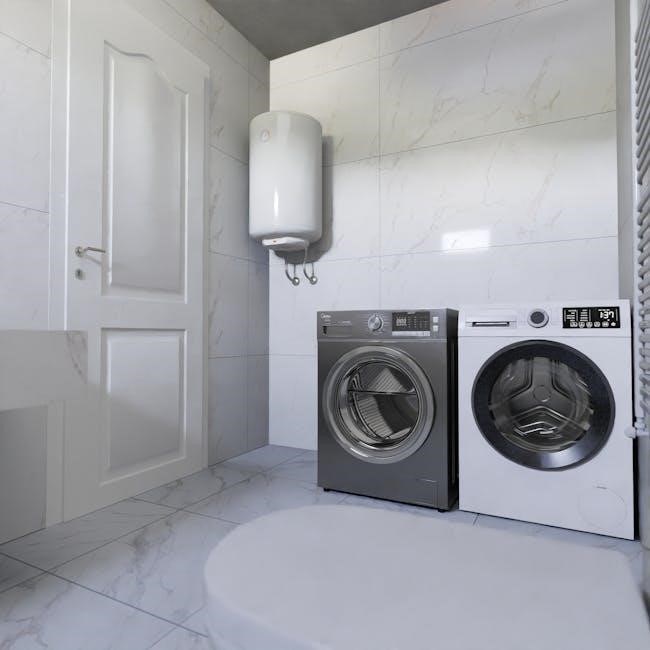
The Reliance 606 water heater, commonly found in homes built around 2008, is a gas-powered appliance designed to provide consistent hot water for household needs․ Understanding its components and operation is crucial for safe and efficient use․ This model relies on a pilot light system for ignition, which can sometimes be susceptible to issues like extinguishing due to condensation or debris accumulation․
Proper ventilation is essential for the 606 series, ensuring adequate airflow for combustion and preventing the buildup of hazardous gases․ Familiarize yourself with the location of key components, including the gas control valve, burner assembly, and temperature control settings․ Regular inspection of these areas can help identify potential problems before they escalate․ Remember, attempting repairs without proper knowledge can be dangerous; consulting a qualified service agency is always recommended for complex issues․
The water heater’s efficiency and longevity depend on consistent maintenance and adherence to safety guidelines․
Locating the Rating Plate and QR Code
Finding the rating plate on your Reliance 606 water heater is the first step towards accessing vital information about your unit․ This plate, typically affixed to the exterior of the water heater, contains crucial details such as the model number, serial number, and warranty status․ More importantly, it features a QR code designed for quick access to online resources․
To utilize the QR code, simply open the camera application on your iOS or Android mobile device․ Point the camera at the QR code located on the rating plate․ Your device should automatically detect the code and display a link․ Tapping this link will redirect you to a dedicated webpage providing access to the user manual, warranty information, troubleshooting guides, and even a directory to find a qualified contractor․
Scanning the QR code streamlines access to support materials, ensuring you have the information needed for proper operation and maintenance․
Accessing Online Manuals and Support
Reliance Water Heaters provides comprehensive online support resources for the 606 series, easily accessible through several methods․ Beyond the convenient QR code on the unit’s rating plate, which directs users to a dedicated support webpage, manuals and troubleshooting guides are available directly through the Reliance website․ These resources include detailed instruction manuals in PDF format, allowing for easy download and offline viewing․
The online support portal also features helpful videos demonstrating common maintenance tasks and troubleshooting procedures․ Furthermore, the website offers a “Find A Contractor” tool, connecting owners with qualified service professionals in their area․ For immediate assistance, Reliance customer service can be contacted directly, offering expert guidance on resolving issues and understanding your water heater’s operation․
Utilizing these online resources ensures owners have the tools and support needed to maintain their Reliance 606 water heater effectively․

Common Issues and Troubleshooting
Addressing common problems with your Reliance 606 is often straightforward․ Pilot light issues, frequently caused by condensation, and occasional leaks are typical concerns requiring prompt attention․
Pilot Light Problems: Initial Diagnosis

When your Reliance 606 pilot light repeatedly extinguishes, a systematic approach to diagnosis is crucial․ Begin by carefully observing the flame’s behavior immediately after ignition․ Does it burn with a strong, blue flame, or is it weak and yellow? A weak flame suggests insufficient gas supply or a dirty pilot orifice․
Next, check for any visible obstructions around the pilot assembly․ Dust, debris, or spiderwebs can disrupt the flame pattern․ Gently clean the area with a soft brush or vacuum․ If the pilot light still won’t stay lit, consider the possibility of condensation; As noted in user reports, cold water entering the system can cause water to drip onto the burner, extinguishing the pilot after the heating cycle ends․
Allow sufficient time (an hour or more) for the unit to dry out before attempting to relight․ Before proceeding with more complex troubleshooting, ensure the gas supply is fully open and that the thermocouple is properly positioned within the flame․ A faulty thermocouple is a common cause of pilot light failures․
Pilot Light Won’t Stay Lit: Condensation Issues
A frequent cause of pilot light failure in the Reliance 606 water heater is condensation, particularly when heating cold water․ As reported by users on DIY forums, water can drip onto the burner immediately after relighting, quickly extinguishing the pilot flame once the burner shuts off․ This cycle repeats, making it difficult to maintain a consistent pilot․
This condensation occurs because the temperature difference between the cold incoming water and the hot flue gases creates moisture․ This moisture then collects and drips, disrupting the pilot․ The recommended solution is patience; allow the unit several hours to thoroughly dry out before attempting to relight․
Avoid repeated attempts to ignite the pilot during this period, as this can exacerbate the problem․ If the issue persists even after a prolonged drying period, investigate other potential causes, such as a faulty thermocouple or a blocked vent․ Remember to always prioritize safety and consult a qualified technician if you are unsure about any aspect of the repair․
Pilot Light Repeatedly Extinguishing: Cleaning the Air Vent
If your Reliance 606 water heater’s pilot light repeatedly extinguishes after initially lighting, a clogged air vent is a likely culprit․ Experienced users on appliance repair forums, like Appliantology․org, have reported success resolving this issue through simple cleaning․ The air vent provides essential airflow for stable combustion․
Dust, debris, or even spiderwebs can obstruct this vent, disrupting the gas flow and causing the pilot to flicker and eventually go out․ Locate the air vent – typically a small opening near the pilot assembly – and carefully clean it using a small brush, compressed air, or a thin wire․
Ensure you turn off the gas supply before attempting any cleaning․ After cleaning, relight the pilot and observe its stability․ If the problem persists, consider other potential causes, such as a faulty thermocouple or gas valve․ Regular inspection and cleaning of the air vent can prevent this recurring issue․

Leakage Checks and Prevention
Regularly inspect your Reliance 606 for leaks, focusing on connections and the tank itself․ Many suspected tank leaks originate elsewhere; prompt attention prevents damage․
Identifying Potential Leakage Points
When investigating a water leak around your Reliance 606 water heater, a systematic approach is crucial․ Begin by carefully examining all pipe connections – both the hot and cold water inlets and the gas line․ Look for drips or signs of corrosion around these fittings․ The Temperature and Pressure Relief (TPR) valve is another common source of leakage; a small amount of discharge here can be normal, but consistent dripping indicates a problem․
Inspect the drain valve at the bottom of the tank for any signs of leakage․ Also, check around the burner compartment and the flue pipe connection․ Remember that what appears to be a tank leak might actually be condensation, especially during initial operation or in humid environments․ Carefully differentiate between water dripping from condensation and actual leakage from the tank itself․ A thorough visual inspection, combined with feeling for dampness, will help pinpoint the source of the problem․ If you are unsure, contacting a qualified service agency is always recommended․
Distinguishing Tank Leaks from Other Water Sources
Accurately identifying the source of water near your Reliance 606 is vital․ Many suspected tank leaks are, in fact, originating from elsewhere․ Condensation, particularly when heating cold water, can mimic a tank leak, dripping from connections or the burner area․ Carefully observe if the dripping stops after the water heater completes a heating cycle – condensation typically ceases then․
Check the TPR valve discharge pipe for leaks or drips; a small release is normal, but continuous flow indicates an issue․ Examine the drain valve at the tank’s base, as well as all pipe connections for corrosion or loose fittings․ Wipe all areas dry and monitor closely to pinpoint the exact source․ If the water appears rusty, it’s more likely from the tank itself․ If it’s clear, suspect condensation or a plumbing connection․ If uncertainty persists, immediately contact a qualified service agency for a professional assessment to avoid potential hazards․
Service Agency Contact Information
For qualified assistance with your Reliance 606 water heater, contacting a certified service agency is crucial, especially when dealing with gas or complex issues․ Reliance Water Heaters provides resources to “Find A Contractor” directly through scanning the QR code located on the unit’s rating plate․ This link offers access to a network of pre-approved professionals․
Alternatively, locate a licensed plumbing and heating contractor in your area through online directories or recommendations from trusted sources․ Ensure the agency is experienced with gas appliance repair and holds the necessary certifications․ When contacting a service agency, have your water heater’s model number and serial number readily available for efficient service․ Be prepared to describe the problem in detail․ Prioritize agencies offering transparent pricing and clear communication regarding repairs or replacements․ Remember, attempting complex repairs yourself can be dangerous and may void your warranty․
Safety Precautions
Prioritize safety when operating your Reliance 606 water heater․ Adhere to all gas safety guidelines, maintain appropriate water temperatures, and follow general water heater safety practices․
Gas Safety Guidelines
Working with gas appliances requires strict adherence to safety protocols․ Always ensure adequate ventilation when operating your Reliance 606 water heater to prevent the buildup of carbon monoxide, a colorless and odorless gas that can be deadly․
If you smell gas, immediately extinguish any open flames, do not operate any electrical switches, and evacuate the premises․ Contact your local gas company or emergency services from a safe location․
Regularly inspect the gas supply line for any signs of damage or leaks․ Never attempt to repair gas lines yourself; always rely on a qualified technician․ Ensure the pilot light is properly lit and remains stable․ If the pilot light repeatedly extinguishes, consult a professional for assistance․
Be aware of the potential hazards associated with gas appliances and take necessary precautions to protect yourself and your family․ Proper installation and maintenance are crucial for safe operation․
Water Temperature Safety
Scalding is a serious risk associated with hot water․ The Reliance 606 water heater is capable of delivering water at temperatures that can cause severe burns in a matter of seconds․ It’s crucial to set the water temperature to a safe level, generally recommended at or below 120°F (49°C)․
Supervise children and individuals with disabilities when they are near or using hot water․ Consider installing anti-scald devices on faucets and showerheads to further reduce the risk of burns․ Regularly check the water temperature to ensure it remains within a safe range․
Be mindful that water temperature can fluctuate, especially during periods of high demand․ Always test the water temperature before entering a shower or bath․ Educate all household members about the dangers of scalding and the importance of safe water temperature practices․
Prioritizing water temperature safety is essential for preventing accidental injuries․
General Water Heater Safety
Always prioritize safety when operating your Reliance 606 water heater․ Never store flammable materials near the unit, and ensure adequate ventilation to prevent the buildup of combustible gases․ Regularly inspect the area around the water heater for any signs of leaks or corrosion․
Do not attempt to repair or modify the water heater yourself unless you are a qualified technician․ Improper repairs can create hazardous conditions․ If you suspect a gas leak, immediately shut off the gas supply and contact your local gas company or a qualified service agency․
Keep the water heater area clear of obstructions to allow for easy access for maintenance and inspections․ Never operate the water heater if it is damaged or malfunctioning․ Familiarize yourself with the location of the shut-off valves for both gas and water supply․
Following these general safety guidelines will help ensure the safe and reliable operation of your water heater․

Maintenance and Service
Regular inspections and timely service are crucial for extending the life of your Reliance 606․ Follow the recommended intervals and utilize qualified technicians for optimal performance․
Regular Inspection Checklist
To ensure the safe and efficient operation of your Reliance 606 water heater, implement a routine inspection checklist․ Begin by visually examining the unit for any signs of leakage around connections, the tank itself, and the pressure relief valve․ Carefully inspect the burner assembly for rust, corrosion, or debris accumulation․
Check the pilot light flame; it should be blue and steady․ A yellow or flickering flame indicates potential issues with air supply or gas pressure․ Verify the functionality of the temperature and pressure relief valve by briefly lifting the lever – water should flow freely and then reseat properly․
Inspect the vent pipe for obstructions or damage, ensuring proper exhaust flow․ Listen for unusual noises, such as rumbling or popping, which could signify sediment buildup․ Finally, confirm the accessibility and legibility of the rating plate and QR code for future reference and service needs․ Document all inspection findings and address any concerns promptly․
Recommended Service Intervals
Maintaining your Reliance 606 water heater through regular servicing is crucial for longevity and performance․ A professional inspection is recommended annually, focusing on gas line connections, burner efficiency, and overall system safety․ Sediment buildup is a common issue; flushing the tank every 12-24 months prevents reduced heating efficiency and potential damage․
The temperature and pressure relief valve should be tested annually to ensure proper functionality, preventing dangerous pressure buildup․ Inspect the anode rod every three years, replacing it when significantly corroded to protect the tank from rust․
If you notice any leaks, unusual noises, or decreased hot water supply, schedule a service call immediately․ Adhering to these intervals, and addressing any identified issues promptly, will maximize the lifespan of your Reliance 606 and minimize the risk of costly repairs or replacements․
Warranty Information and Status
Your Reliance 606 water heater is covered by a limited warranty, protecting against defects in materials and workmanship․ The warranty period varies depending on the component; typically, the tank has a longer coverage duration than parts․ To verify your specific warranty status, locate the rating plate on your unit and scan the QR code with your smartphone’s camera․

This will direct you to a webpage displaying your model number, serial number, and current warranty information․ Keep your proof of purchase readily available, as it’s required for any warranty claims․
The warranty does not cover damage caused by improper installation, misuse, or lack of regular maintenance․ Registering your water heater online through the provided link ensures efficient claim processing should the need arise․ Review the full warranty document for complete details and exclusions․