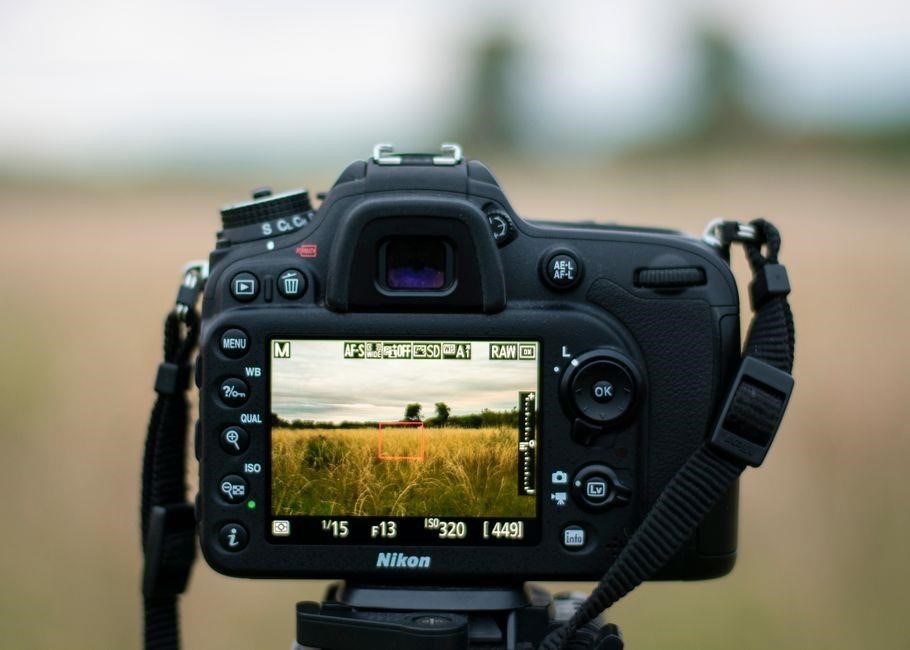
This guide introduces the Nikon D810‚ outlining its design‚ key functions‚ and user responsibilities. It explains safety‚ setup‚ and essential operations to help you capture high‑quality images while maintaining device integrity. Follow these guidelines maximize safety.
Purpose of the Owner’s Manual
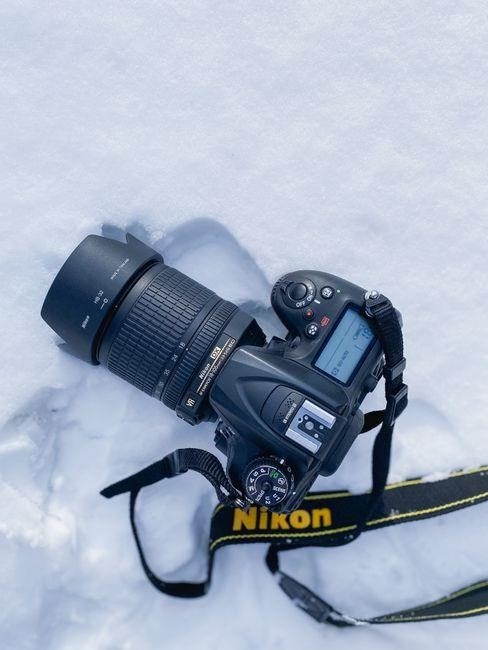
The Nikon D810 Owner’s Manual serves as a comprehensive reference that equips users with the knowledge and procedures necessary to operate‚ maintain‚ and troubleshoot this advanced DSLR. It explains the camera’s architecture‚ detailing the sensor‚ processor‚ and mechanical systems that deliver exceptional image quality and performance. By outlining safety precautions‚ legal compliance‚ and environmental considerations‚ the manual protects both the photographer and the equipment. It provides step‑by‑step instructions for initial setup‚ battery installation‚ memory card handling‚ and firmware updates‚ ensuring a smooth start to every shooting session. The guide also covers the full range of shooting modes‚ exposure settings‚ autofocus configurations‚ metering options‚ and white‑balance controls‚ enabling users to tailor the camera to diverse creative demands. Additionally‚ it describes file formats‚ image quality settings‚ and data management workflows‚ helping photographers preserve image fidelity from capture to archive. Maintenance sections detail cleaning‚ lens attachment‚ and routine checks‚ while troubleshooting tables address common issues and corrective actions. By consolidating technical specifications‚ operational guidance‚ and best‑practice recommendations‚ this manual empowers users to harness the Nikon D810’s capabilities safely and efficiently. Readers are encouraged to consult the online resources and firmware updates to keep the camera at peak performance. The manual also includes safety warnings and environmental guidelines to ensure responsible use.

Camera Body Overview
Built with a robust magnesium alloy chassis‚ the D810 delivers a 24.3‑MP full‑frame sensor‚ 5‑axis stabilization‚ and a weather‑sealed body. Its ergonomic grip‚ dual‑mode shutter‚ and 5‑point AF system provide precision and durability for professional use. Ideal for studio work

Key Physical Features
The Nikon D810 features a rugged magnesium alloy body with a weather‑sealed design‚ ensuring reliable performance in challenging environments. Its 24.3‑megapixel full‑frame sensor delivers exceptional dynamic range and low‑noise performance‚ while the 5‑axis in‑body image stabilization compensates for camera shake up to 4 stops. The optical viewfinder offers a 0.78× magnification and 100% coverage‚ providing a clear‚ bright view for precise framing. A 3‑inch‚ 920‑k‑dot rear LCD with a touch‑screen interface allows quick navigation of settings and playback. The camera’s ergonomic grip‚ combined with a dual‑mode shutter (electronic and mechanical)‚ supports a shutter speed range from 30 s to 1/8000 s‚ with a 1/200 s silent mode for quiet shooting. The D810’s 5‑point autofocus system‚ enhanced by the Nikon D90‑type sensor‚ delivers fast‚ accurate focus across a wide aperture range. Multiple exposure modes—Program‚ Aperture‑Priority‚ Shutter‑Priority‚ and Manual—give photographers full creative control. The camera includes a built‑in pop‑up flash with i‑TTL support‚ and a dedicated hot‑shoe for external flash units. Connectivity options feature a USB‑C port for data transfer‚ an HDMI output‚ and a 3.5‑mm microphone jack. The D810’s battery compartment houses the EN‑EL15b‚ providing up to 1‚300 shots per charge. All these features combine to make the D810 a versatile‚ professional‑grade DSLR for both still photography and video recording.
Battery & Power
The Nikon D810 is powered by the EN‑EL15b rechargeable lithium‑ion battery‚ which delivers up to 1‚300 shots per charge under standard test conditions. The battery is housed in a dedicated compartment on the left side of the camera body‚ accessed via a small latch that opens with a gentle pull. To charge the battery‚ connect the supplied USB‑C cable to the camera’s USB‑C port and plug the other end into a USB power source or a compatible charger. The D810’s power‑saving features include an automatic sleep mode that activates after 30 seconds of inactivity‚ and a low‑battery warning that flashes the indicator light and prompts the user to replace or recharge the battery. For extended shooting sessions‚ the camera supports the optional EN‑EL15b battery grip‚ which attaches to the rear of the body and adds two additional batteries‚ effectively doubling the operational time. The D810 also offers a built‑in 3.5‑mm microphone jack for audio input‚ and the camera’s shutter speed can be set to 1/200 s silent mode‚ reducing mechanical noise for video recording. Proper battery maintenance involves storing the battery at 40–60 % charge when not in use‚ avoiding extreme temperatures‚ and periodically checking the battery’s health via the camera’s menu system. By following these guidelines‚ users can ensure reliable power supply and optimal performance during professional photography sessions. The battery indicator lights give real‑time status‚ and the menu shows remaining capacity. Use the built‑in health monitor to track battery life. Keep it charged during long shoots. Avoid extreme heat. Good. Ok!

Settings & Modes
The D810’s menu system allows users to tailor camera settings‚ adjust ISO‚ white balance‚ exposure compensation‚ and configure controls. and adjust. Users can select shooting modes‚ set focus points‚ and image parameters to suit each situation.
Exposure Modes & Customization
The Nikon D810 provides four main exposure modes—Program (P)‚ Aperture Priority (A)‚ Shutter Priority (S)‚ and Manual (M)—each suited to different shooting needs. Program mode automatically selects aperture and shutter speed‚ while allowing exposure compensation‚ ISO‚ and white balance adjustments. Aperture Priority locks the aperture to control depth of field; the camera chooses the shutter speed. Shutter Priority sets the shutter speed; the camera adjusts the aperture accordingly. Manual mode gives full control over both settings.
Exposure compensation ranges from –5 to +5 EV in 1/3‑EV steps‚ and ISO can be set from 100 to 12‚800‚ with an auto‑ISO option. The menu lets you set metering bias‚ white balance presets‚ metering mode. A Custom exposure mode remembers user‑defined settings for quick recall.
Users can fine‑tune exposure with the built‑in histogram‚ which updates in real time‚ providing instant feedback on highlights and shadows. The D810 supports a custom exposure mode that stores up to 12 preset settings‚ enabling rapid switching between different lighting scenarios without reconfiguring the camera each time.
Proper use of exposure modes and customization ensures consistent image quality and creative flexibility‚ making the D810 versatile for studio and field work. Always review exposure settings before shooting to avoid under‑ or over‑exposure‚ especially in high‑contrast scenes. Reset custom settings to default when switching shooting environments to maintain optimal performance.
Auto Focus System
The Nikon D810 employs a sophisticated 51‑point autofocus system that includes a central cross‑type sensor for precise focus in low‑light conditions. The AF system supports focus‑area modes such as single‑point‚ dynamic‑area‚ and 3‑point‚ allowing photographers to lock focus on a subject while maintaining flexibility for moving subjects. The camera’s high‑resolution sensor and fast processor enable the AF to track subjects with high accuracy‚ even at high shutter speeds. In addition‚ the D810 offers a “AF‑Assist” feature that projects a series of infrared dots onto the subject when the lens lacks sufficient light‚ ensuring reliable focus in dim environments. The AF system works seamlessly with both Nikon’s DX‑ and FX‑format lenses‚ and the camera automatically selects the optimal focus points based on the lens’s focal length and aperture. Users can customize the AF‑Assist brightness and range from the menu‚ and the system can be disabled for creative effects. The D810 also supports “AF‑Tracking” mode‚ which continuously follows a subject as it moves across the frame‚ maintaining focus even when the subject changes distance. For macro photography‚ the camera’s AF system can be set to a single‑point mode with a small focus area‚ providing fine detail control. The autofocus performance is enhanced by built‑in image stabilization‚ which improves focus accuracy in handheld shooting!!
Metering Modes
The Nikon D810’s metering system offers four primary modes—Multi‑spot‚ Center‑weighted‚ Evaluative‚ and Spot—each designed to deliver accurate exposure for diverse shooting scenarios. Multi‑spot samples light across the frame‚ balancing highlights shadows. Center‑weighted emphasizes the central area while considering surrounding light‚ ideal for portraits. Evaluative‚ or matrix metering‚ analyzes the entire frame with advanced algorithms to determine optimal exposure based on subject distance‚ contrast‚ and color. Spot metering focuses on a single small area‚ providing precise control for high‑contrast scenes such as backlit subjects. Users can switch modes quickly via the dedicated metering button or menu‚ and camera’s on‑screen display shows real‑time exposure values and metering results. Mastering these modes ensures consistent‚ well‑exposed images in virtually any lighting condition.
The D810’s metering can be customized to suit specific creative needs. Photographers may set a custom pattern that highlights particular zones‚ allowing precise control over highlight and shadow balance. The camera’s built‑in histogram provides instant visual feedback‚ while the exposure lock feature helps maintain consistency across a sequence of shots. Mastering these functions ensures reliable‚ well‑exposed images in challenging lighting. Use lock.
Picture Control & File Formats

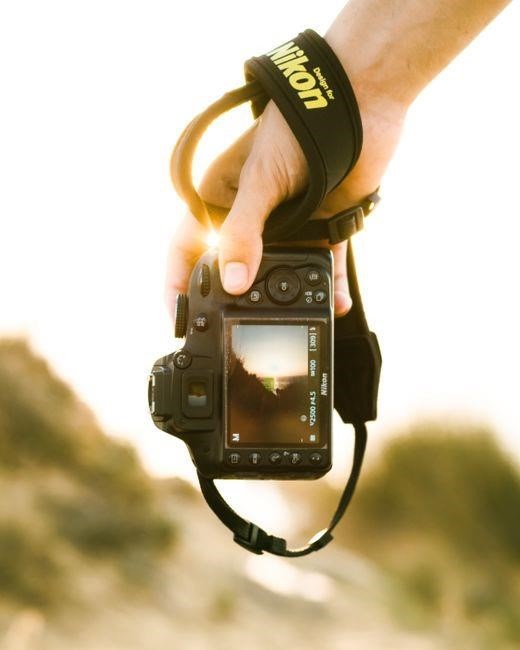
The Nikon D810 provides versatile picture control with JPEG Fine‚ Normal‚ Basic and RAW NEF (14‑bit) for maximum flexibility. It also supports TIFF for high‑resolution prints. Flash output uses i‑TTL balanced fill‑flash‚ ensuring consistent exposure. acrossscenesforall!
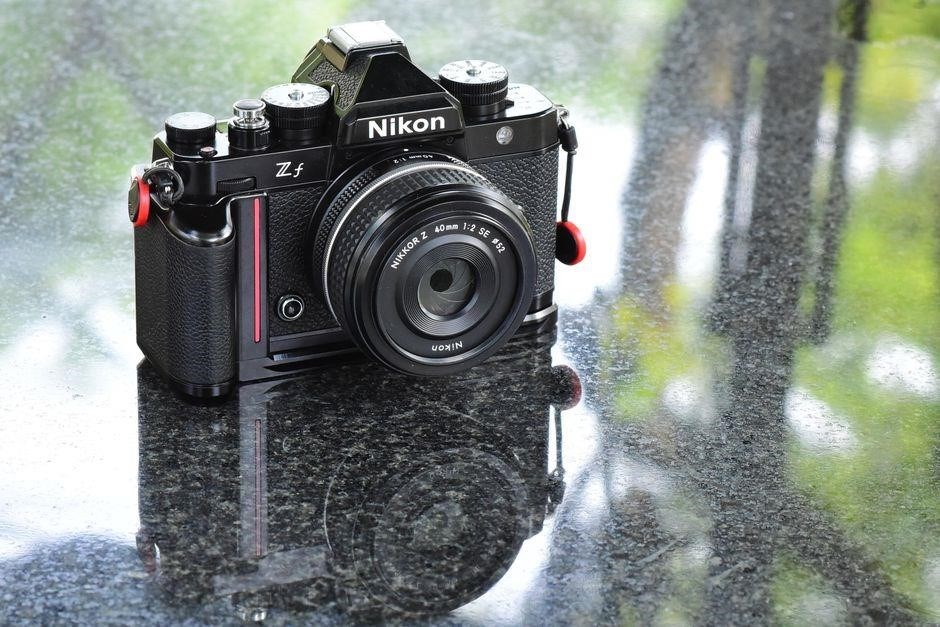
Image Quality Settings
Choose from JPEG Fine‚ Normal‚ or Basic to balance file size and image quality. Fine delivers the highest quality with minimal compression‚ ideal for large prints or extensive post‑processing. Normal offers a good compromise‚ while Basic reduces file size for quick sharing. For photographers demanding maximum detail‚ select NEF RAW (14‑bit) to capture the full dynamic range of the 36.3‑megapixel sensor. RAW files retain all sensor data‚ enabling precise adjustments to exposure‚ white balance‚ and color without quality loss. The D810 also supports TIFF for lossless‚ high‑resolution output‚ useful for archival or large‑format printing. Adjust the image size and aspect ratio (3:2‚ 4:3‚ 16:9) to suit your workflow. When shooting in RAW‚ the camera records a 14‑bit image‚ but you can choose 12‑bit for smaller file sizes. JPEG compression settings can be fine‑tuned via the “Image Quality” menu‚ allowing you to trade off between file size and image fidelity. For video‚ the D810 offers 4K UHD recording at 30 fps‚ with options for 12‑bit RAW output. Always consider storage capacity and workflow needs when selecting image quality settings. Additionally‚ the camera offers a 12‑bit RAW option for video‚ enabling higher dynamic range and color depth‚ while the 14‑bit RAW mode captures maximum detail for stills. RAW preview is available in the viewfinder.
File Formats Supported
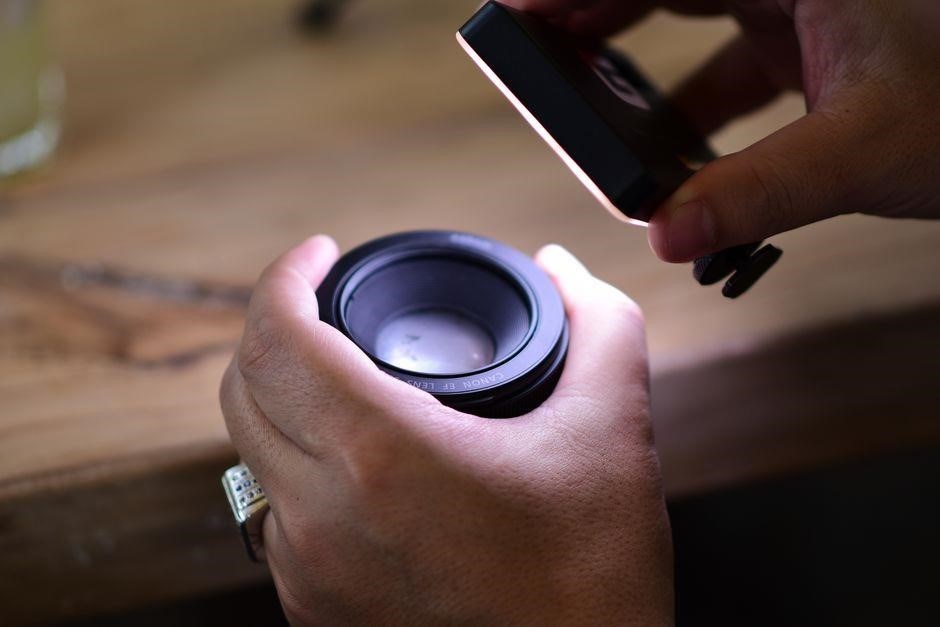
The Nikon D810 records images in several high‑quality formats to accommodate diverse shooting needs. The native RAW format‚ NEF‚ captures 14‑bit data from the 36.3‑megapixel sensor‚ preserving maximum dynamic range and color depth for extensive post‑processing. JPEG files are available in three compression levels—Fine‚ Normal‚ and Basic—providing a balance between image fidelity and file size for quick sharing or storage. TIFF is also supported‚ offering lossless compression suitable for archival purposes or large‑format printing. For video‚ the camera records in both MP4 (H.264) and MOV (Apple ProRes) containers‚ with options for 4K UHD resolution at 30 fps and 1080p at 60 fps‚ ensuring high‑definition playback on a wide range of devices. All formats are compatible with Nikon’s Capture NX‑D and DxO PhotoLab‚ as well as major editing suites such as Adobe Lightroom and Photoshop‚ allowing seamless integration into any workflow. The D810’s SD card interface supports UHS‑II for fast write speeds‚ ensuring smooth capture of high‑resolution images and continuous video streams without interruption. Additionally‚ the camera can output RAW video in 12‑bit DNG format via the external recorder port‚ providing a flexible workflow for professional videographers. Metadata is embedded in each file‚ including EXIF‚ IPTC‚ and XMP tags‚ which record camera settings‚ GPS data‚ and user comments. The D810 also supports the Nikon RAW file format (NEF) with embedded color space information‚ enabling accurate color reproduction across different software. When shooting in RAW‚ the camera offers the option to embed a JPEG preview‚ which can be extracted quickly for sharing or thumbnail generation. The camera’s file system is designed to handle large file sizes‚ ensuring that 4K video and RAW images can be stored reliably on high‑capacity SDXC cards. Users can also choose to write files to an external hard drive via the USB‑C port‚ facilitating immediate backup and transfer. The combination of these file formats and robust storage options makes the D810 a versatile tool for photographers and videographers alike. The camera’s firmware updates occasionally expand format support‚ adding new codecs or improving compatibility with emerging editing tools. For archival‚ the D810 can output images in the DNG format‚ a standardized RAW format that ensures long‑term accessibility across platforms.
External Accessories & Maintenance
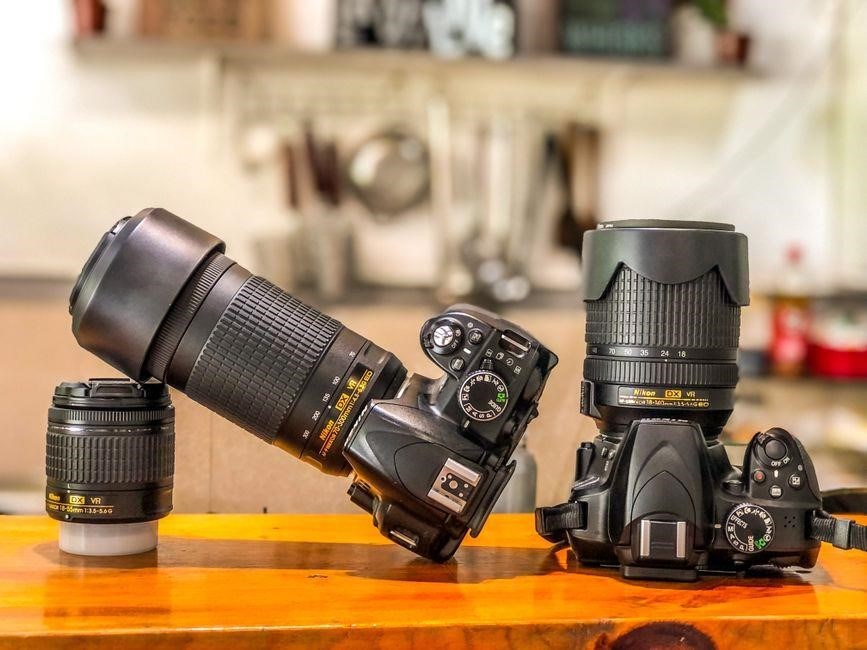
The D810 supports Nikon EXPEED processors‚ compatible with external flashes‚ battery grips‚ and viewfinders. Use the Nikon SB-5000 or SB-800 for TTL. Keep the body dust‑free‚ clean sensor with a blower‚ and store accessories in a padded case. Keep accessories in a case!
Flash Integration
The Nikon D810 offers versatile flash support‚ enabling both built‑in and external flash units. The built‑in pop‑up flash can be manually triggered or set to i‑TTL mode for balanced fill‑flash. For advanced lighting‚ attach an external Nikon SB‑5000 or SB‑800 via the hot‑shoe; these flashes support high‑speed sync up to 1/500 s and 1/2000 s for 1/2000 s sync. The camera’s EXPEED‑based metering reads flash power and automatically adjusts exposure. When using an external flash‚ the D810’s flash compensation dial allows ±2 EV adjustments in 1/3‑EV steps‚ giving fine control over fill‑flash intensity. The flash guide number is 12 m (39 ft) at ISO 100‚ and the flash can be set to manual mode for precise power control. The camera’s flash exposure lock (FEL) feature locks the flash output‚ enabling consistent lighting across multiple shots. For creative effects‚ the D810 supports flash exposure compensation‚ high‑speed sync‚ and flash burst modes. The built‑in flash can be disabled in the menu‚ and the camera will automatically detect the presence of an external flash and disable the pop‑up. The D810’s flash system is fully compatible with Nikon’s i‑TTL and manual flash modes‚ ensuring reliable performance in studio or on‑location shooting. Proper use of the flash system enhances image quality‚ especially in low‑light situations‚ and provides photographers with the flexibility to produce professional‑grade results. The D810’s flash system also supports the Nikon Flash Sync Speed‚ allowing the camera to synchronize with external flashes at 1/500 s‚ which is particularly useful for high‑speed photography. When using the built‑in flash‚ the camera automatically selects the appropriate flash mode based on the scene‚ but users can override this by selecting manual flash mode in the menu. The flash exposure lock feature can be accessed by pressing the dedicated button‚ locking the flash power for a series of shots‚ which is ideal for multi‑shot sequences or when using a light modifier. Additionally‚ the camera’s built‑in flash can be set to rear‑view or front‑view‚ depending on the shooting style. The D810 also includes a flash exposure compensation setting that can be adjusted in 1/3‑EV increments‚ allowing photographers to fine‑tune the flash output to match the ambient lighting. For studio work‚ the camera can be paired with Nikon’s wireless flash systems‚ providing remote control over flash power‚ mode‚ and sync. The D810’s flash system is designed to be robust and reliable‚ ensuring consistent performance across a wide range of shooting conditions.
Cleaning & Care
To keep the Nikon D810 in optimal condition‚ follow these steps: 1. Use a soft‚ lint‑free microfiber cloth to wipe the exterior. 2. For lens and sensor‚ employ a dedicated camera cleaning kit: a blower to remove loose dust‚ a lens cleaning solution‚ and a microfiber pad. 3. Never spray liquid directly onto the sensor; apply it to the pad first. 4. When cleaning the sensor‚ use a sensor‑cleaning brush or a sensor‑cleaning kit with a small brush and a cleaning fluid. 5. Inspect the camera body for cracks or damage before each use. 6. Store the camera in a dry‚ dust‑free case when not in use. 7. Keep the battery compartment sealed when the battery is removed. 8. Periodically check the firmware and update it via Nikon’s official software. 9. Avoid exposing the camera to extreme temperatures‚ humidity‚ or direct sunlight. 10. If the camera shows any signs of malfunction‚ contact Nikon support for professional service. By adhering to these cleaning and care guidelines‚ you ensure longevity and reliable performance for your Nikon D810. Regular cleaning of the sensor and lens elements‚ using appropriate cleaning solutions and microfiber cloths‚ helps prevent dust accumulation and maintains image sharpness. If you notice streaks‚gently wipe the sensor with a sensor‑cleaning brush and a drops of fluid‚ then re‑apply the cleaning film and re‑install the sensor carefully.