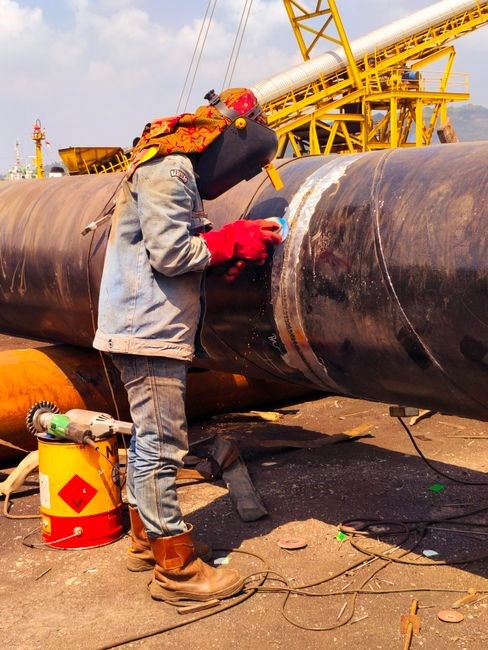
The Pipescan manual provides a comprehensive guide to the setup, operation, and maintenance of the Pipescan system, ensuring safe and effective use for detecting corrosion in pipework. It covers various sections, including setup, acquisition, analysis, and maintenance, with essential safety precautions and operational guidelines. The manual is easy to follow, with clear instructions and detailed information on how to handle and use the Pipescan system safely and effectively, making it an invaluable resource for operators and technicians working with the Pipescan system, every day, all the time, always.
Pipescan Overview
The Pipescan is a non-destructive testing tool designed for ferrous metal pipes, utilizing magnetic flux leakage (MFL) technology to detect corrosion and defects. It consists of a flexible scanning module and a control unit, allowing for rapid inspection and accurate results. The Pipescan is easy to use and portable, making it an ideal solution for on-site inspections. With its advanced technology and The Pipescan manual is a crucial resource for operators and technicians working with the Pipescan system, providing essential information on setup, operation, and maintenance. The manual is important for ensuring safe and effective use of the Pipescan system, as it outlines proper procedures and precautions to prevent accidents and ensure accurate results. By following the manual, operators can maximize the potential of the Pipescan system, reduce downtime, and increase efficiency, ultimately saving time and money. The Pipescan manual is also important for training purposes, as it provides detailed information on system operation and maintenance, enabling new operators to quickly learn and master the Pipescan system, with ease and confidence, every day, all the time, always, with precision and accuracy, in a variety of industrial applications, including oil and gas, chemical processing, and power generation, where pipework integrity is critical. The setup process is streamlined with a unique tool for curvature adjustment, allowing for rapid inspection setup, no couplant or gate settings required, making it easy to install and use. The single curvature adjustment tool is a unique feature of the Pipescan system, allowing for rapid and accurate adjustment of the scanning head to fit various pipe curvatures and diameters. This tool enables operators to quickly and easily configure the Pipescan system for optimal performance, reducing the need for complicated setup procedures and minimizing the risk of errors. The single curvature adjustment tool is designed to simplify the inspection process, making it easier for operators to obtain accurate and reliable results, every time. With its user-friendly design and intuitive interface, the single curvature adjustment tool is an essential component of the Pipescan system, enabling operators to perform high-quality inspections with ease and confidence, ensuring the integrity and safety of pipework systems, worldwide. The tool is also designed to reduce the time and effort required for inspection setup, allowing operators to focus on other critical tasks, increasing overall productivity and efficiency. The process of connecting the Pipescan system to a data acquisition instrument is straightforward and intuitive, requiring minimal setup and configuration. The connection is typically made via a standard interface, such as a USB or RS-232 port, enabling seamless communication between the Pipescan system and the data acquisition instrument. Once connected, the Pipescan system can be easily configured to acquire and store data, allowing operators to monitor and analyze the inspection results in real-time. The data acquisition instrument can be programmed to collect and store data at specific intervals, enabling operators to track changes in the pipework system over time. This capability enables proactive maintenance and repair strategies, reducing the risk of unplanned downtime and increasing overall system reliability, resulting in cost savings and improved efficiency, ultimately extending the life of the pipework system, while minimizing the risk of environmental and health hazards, associated with pipework failures, thereby protecting people, planet, and profit. The Pipescan system is designed to be compatible with a range of acquisition units, enabling flexible and efficient data acquisition and analysis, with advanced features and capabilities, for optimal performance and results, in various applications and industries. The Pipescan system is compatible with three different acquisition units, each with its own unique features and capabilities, enabling flexible and efficient data acquisition and analysis. These acquisition units are designed to work seamlessly with the Pipescan system, providing accurate and reliable results, and supporting a range of applications and industries, including oil and gas, chemical processing, and power generation. The compatibility of the Pipescan system with these acquisition units is critical to its overall performance and effectiveness, and ensures that users can confidently rely on the system to deliver high-quality results, every time, with minimal setup and configuration required, making it an ideal solution for various applications and industries, and providing a range of benefits and advantages over other systems and technologies. The Magnetic Flux Leakage (MFL) technique is a non-destructive testing method used for inspecting ferrous metal pipes and tubes, and is utilized by the Pipescan system to detect and quantify corrosion and other defects. The MFL technique involves applying a strong magnetic field to the pipe or tube, and measuring the magnetic flux leakage that occurs when the magnetic field interacts with defects or corrosion. This technique is highly sensitive and can detect small defects and corrosion that may not be visible to the naked eye, and is widely used in various industries, including oil and gas, chemical processing, and power generation, to ensure the integrity and safety of pipelines and tubes, and to prevent accidents and environmental damage. The MFL technique is also non-intrusive and does not require physical contact with the pipe or tube, making it a safe and efficient method for inspecting pipelines and tubes in various environments and conditions. Follow safety guidelines to prevent accidents and injuries when using the Pipescan system, including wearing personal protective equipment and following proper procedures for handling and operating the equipment, always read the manual before use. The Pipescan manual emphasizes the importance of following essential safety precautions to prevent accidents and injuries when using the equipment. It is crucial to read and understand the safety guidelines before operating the Pipescan system. Personal protective equipment should always be worn when handling the equipment, and proper procedures should be followed at all times. The manual also highlights the importance of regular maintenance and inspections to ensure the equipment is in good working condition. By following these essential safety precautions, operators can minimize the risk of accidents and ensure a safe working environment. The Pipescan manual provides detailed information on safety precautions and operational guidelines to help operators use the equipment safely and effectively, every day, all the time, always, with maximum safety and minimum risk. The Pipescan HD operational guidelines provide step-by-step instructions on how to operate the equipment safely and effectively. The guidelines cover topics such as pre-inspection checks, scanning procedures, and post-inspection protocols. It is essential to follow these guidelines to ensure accurate and reliable results. The Pipescan HD operational guidelines also emphasize the importance of proper training and certification for operators to ensure they are competent in operating the equipment. By following these guidelines, operators can optimize the performance of the Pipescan HD and achieve high-quality results, every time, all the time, always, with maximum efficiency and minimum downtime, ensuring the success of the inspection and maintaining the integrity of the pipework. The Pipescan HD user manual provides detailed information on technical specifications, ensuring proper use and maintenance of the equipment, with clear instructions and concise descriptions, making it an essential resource for users. The Pipescan HD technical specifications include detailed information on the equipment’s hardware and software components, such as sensors, data acquisition systems, and analysis software, with specific details on resolution, sensitivity, and accuracy, as well as compatibility with various operating systems and interfaces, ensuring seamless integration with existing infrastructure and systems, and providing valuable insights into the equipment’s capabilities and limitations, allowing users to make To ensure optimal performance and longevity of the Pipescan system, it is essential to follow proper initial startup and maintenance procedures, including regular cleaning and inspection of components, such as sensors and data acquisition systems, as well as software updates and calibration checks, to prevent malfunction and errors, and to ensure accurate and reliable results, with detailed guidelines and recommendations provided in the Pipescan manual, including troubleshooting tips and best practices for operation and maintenance, to help users and technicians to optimize the Pipescan system’s performance and extend its lifespan, and to minimize downtime and reduce costs associated with repair and replacement of components, with clear and concise documentation, making it an invaluable resource for users and technicians working with the Pipescan system, and providing comprehensive information on scheduling and performing maintenance tasks, as well as tracking and recording maintenance activities, to ensure compliance with regulatory requirements and industry standards.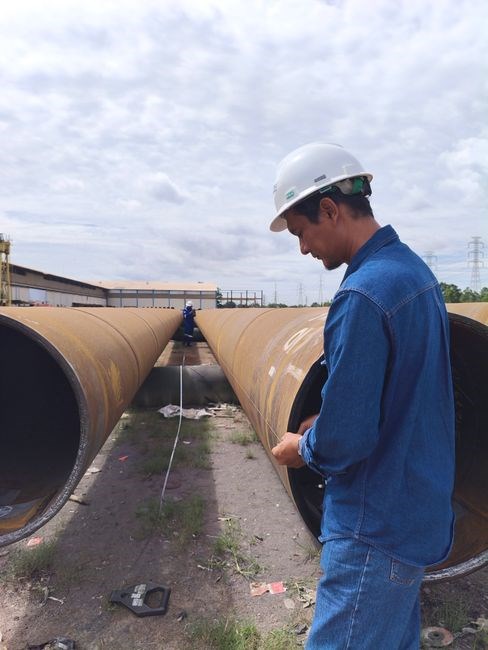
Pipescan Setup and Installation
Single Curvature Adjustment Tool
Connecting to Data Acquisition Instrument

Pipescan Compatibility and Acquisition Units
Compatible Acquisition Units
MFL Technique for Inspections
Safety Precautions and Operational Guidelines
Essential Safety Precautions
Operational Guidelines for Pipescan HD
Pipescan HD User Manual and Technical Specifications
Pipescan HD Technical Specifications