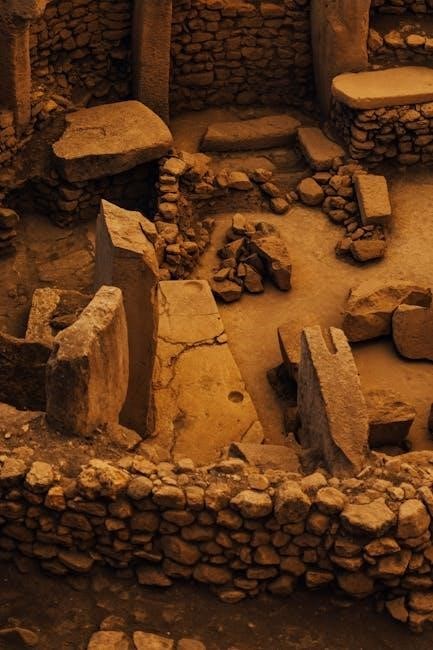
Cataclysm: Dark Days Ahead ⎯ Archeology Guide
Unearthing the past in a post-apocalyptic world demands caution! Reports from 2020-2026 detail online scams and accidental subscriptions, mirroring potential in-game traps.
Archeology in Cataclysm: Dark Days Ahead is a perilous, yet rewarding, skill. It allows you to unearth remnants of the pre-cataclysm world, providing valuable resources, knowledge, and a glimpse into a lost civilization. However, unlike a quiet museum dig, these sites are often riddled with dangers – collapsed structures, hostile creatures, and potentially, automated security systems left over from before the fall.
Recent online reports (spanning 2020-2025) highlight the prevalence of scams and accidental subscriptions triggered by simple clicks. This mirrors the game’s potential for unexpected consequences; a seemingly harmless digsite could conceal a deadly trap or attract unwanted attention. Understanding the risks and preparing accordingly is paramount. Archeology isn’t simply about finding loot; it’s about surviving the process and interpreting the stories these artifacts tell. Success requires patience, careful observation, and a healthy dose of caution.
II. Required Skills & Stats
Successful archeology demands a blend of physical and mental attributes. A high Perception stat is crucial for spotting digsites and identifying subtle clues. Intelligence aids in artifact identification and understanding their function. Dexterity is vital for delicate excavation work, minimizing damage to fragile items. Strength is needed for clearing rubble and navigating collapsed structures.
The core skill, of course, is Archeology itself. Complementary skills include First Aid (for inevitable injuries), Mechanics (for disarming traps – mirroring real-world online security breaches reported from 2020-2026), and possibly even Survival, depending on the digsite’s location. Don’t underestimate the value of a high Dodge skill; quick reflexes can save your life from collapsing debris or unexpected creatures. Finally, knowledge of history or a related field can significantly enhance your ability to interpret your findings.
III. Tools of the Trade
Archeology isn’t just about digging; it’s about careful extraction and preservation. Your basic toolkit should include a sturdy shovel for initial excavation, and a variety of brushes – stiff for removing loose dirt, and soft for delicate cleaning. Consider a small hand trowel for precision work.
Containers are essential: robust bags for transporting finds, and smaller, airtight boxes for fragile artifacts. Labeling is critical; a permanent marker and waterproof tags will prevent confusion. Remember the cautionary tales of online scams (2020-2026) – meticulous documentation is your defense against lost or misidentified items! A magnifying glass aids in detailed examination, and a small notebook for sketching and recording observations is invaluable. Finally, gloves protect both your hands and the artifacts from contamination.
III.a. Shovels & Digging Tools
Choosing the right shovel is paramount for efficient and safe excavation. A standard, pointed shovel is best for breaking ground and removing larger amounts of soil. However, a round-point shovel excels at digging in rocky terrain, minimizing damage to potential artifacts. Consider a folding shovel for portability – crucial in a post-apocalyptic world.
Beyond shovels, a sturdy pickaxe can tackle compacted earth or shallow bedrock. Small hand trowels are indispensable for precise work around delicate finds, preventing accidental breakage. Remember the online scam warnings (2020-2026) – a reliable toolset prevents hasty, damaging work. Always inspect your tools before use, ensuring handles are secure and blades are sharp. A dull tool requires more force, increasing the risk of injury and artifact damage.
III.b. Brushes & Delicate Tools
Once initial excavation reveals potential artifacts, switch to delicate tools. A selection of soft-bristled brushes – varying in size – are essential for removing loose soil without causing abrasion. Stiff-bristled brushes can tackle more stubborn dirt, but use them cautiously. Dental picks and bamboo skewers are invaluable for meticulously cleaning around fragile objects, mirroring the precision needed to avoid online “subscription” traps (reported 2020-2026).
Small scrapers, crafted from plastic or wood, aid in removing hardened deposits. Magnifying glasses are crucial for detailed examination, identifying subtle features and potential damage. Tweezers, both fine-pointed and blunt-ended, assist in handling small artifacts. Remember, patience is key; rushing can lead to irreversible damage. Prioritize preservation over speed, ensuring each artifact is treated with the utmost care.
III.c. Containers & Storage
Proper artifact storage is paramount to prevent deterioration. Utilize a variety of containers – plastic boxes, padded pouches, and acid-free paper envelopes – to accommodate different sizes and fragility levels. Label each container meticulously with the digsite location, artifact type, and date of recovery. Consider the material composition; organic materials require breathable containers to prevent mold growth, echoing the need to avoid “installations” (as reported online 2023-2025).
Glass vials, sealed with airtight lids, are ideal for storing small, delicate items. Avoid direct sunlight and extreme temperatures. A dedicated, secure storage location is vital, protected from pests and potential looters. Regularly inspect containers for signs of damage or deterioration. Detailed inventory logs, cross-referenced with artifact labels, ensure efficient tracking and prevent loss.
IV. Finding Digsites
Locating promising digsites requires observation and deduction. Prioritize areas that predate the Cataclysm – former settlements, military installations, and industrial zones are prime candidates. Look for subtle topographical anomalies: depressions, mounds, or changes in vegetation that might indicate buried structures. Be wary of seemingly easy access, mirroring online warnings (2020-2026) about deceptive “buttons” leading to unwanted consequences.
Abandoned roads and railways often follow pre-Cataclysm routes, potentially leading to undiscovered sites. Scan for remnants of foundations, walls, or paved surfaces. Remember that looting is rampant; thoroughly investigate areas before committing significant time and resources. Document all potential locations, noting their coordinates and any visible features. Caution is key – some sites may be deliberately concealed or protected by hazards.
IV.a. Identifying Potential Locations
Initial reconnaissance focuses on recognizing signs of past habitation. Look for clusters of ruined buildings, even partially collapsed ones, as these often indicate former settlements. Pay attention to changes in ground texture – areas that appear unnaturally flat or compacted might conceal buried structures. Consider the landscape; former industrial areas will exhibit different characteristics than residential zones.
Observe the surrounding environment for clues. The presence of old roads, power lines, or pipelines suggests nearby infrastructure. Be mindful of potential traps, mirroring the deceptive online experiences reported from 2020-2026. Areas near water sources were historically favored for settlements. Scan for unusual rock formations or disturbed earth, which could indicate deliberate concealment or past excavation attempts. Prioritize locations offering some degree of natural shelter.
IV.b. Using Map Legend & Landmarks
Mastering the map legend is crucial for efficient digsite location. Identify symbols denoting former towns, cities, military installations, and industrial complexes – these are prime archeological targets. Pay close attention to landmarks like bridges, towers, and unique geological features; these serve as reliable reference points. Cross-reference map data with real-world observations, noting discrepancies that might indicate hidden structures or altered terrain.
Be wary of misleading information, akin to the deceptive online traps reported between 2020 and 2026. Old maps may not accurately reflect the current landscape due to cataclysmic events. Utilize triangulation – pinpointing a location using multiple landmarks – to improve accuracy. Remember that areas marked as “restricted” or “hazardous” on the map often conceal valuable, but heavily guarded, artifacts. Prioritize landmarks that appear structurally sound for safer exploration.
V. The Digging Process
Systematic excavation is paramount to preserving artifact integrity and maximizing yield. Begin with a broad survey of the digsite, noting surface features and potential stratigraphy. Initial excavation should be slow and deliberate, removing layers of debris carefully. Document each layer’s composition – soil type, presence of artifacts, and any unusual features. Employ a grid system to maintain spatial control and accurately record artifact locations.
Like avoiding online scams reported from 2020-2026, avoid hasty actions. Resist the urge to rush; patience yields better results. Prioritize areas showing signs of disturbance, such as collapsed structures or filled-in trenches. Be mindful of potential hazards – unstable ground, hidden cavities, and the possibility of encountering hostile creatures. Always have a clear escape route planned. Careful removal of artifacts is detailed in the following section.
V.a. Initial Excavation & Stratigraphy
The first stage focuses on revealing the site’s layered history. Initial excavation demands a gentle touch, removing overburden – the layers of soil and debris covering the archaeological deposits. Employ a grid system, meticulously documenting each square meter. Stratigraphy, the study of layered deposits, is crucial; each layer represents a distinct period of activity. Carefully note soil color, texture, and the presence of any artifacts in situ (in their original position).
Similar to cautiously verifying age prompts online (as reported 2020-2026), avoid impulsive digging. Resist the temptation to quickly remove large volumes of earth. Document everything! Photographs, sketches, and detailed notes are essential. Look for changes in soil composition, indicating boundaries between layers. These boundaries often contain valuable artifacts or features. Remember, context is key – an artifact’s location within the stratigraphy provides vital clues about its age and function.
V.b. Careful Removal of Artifacts
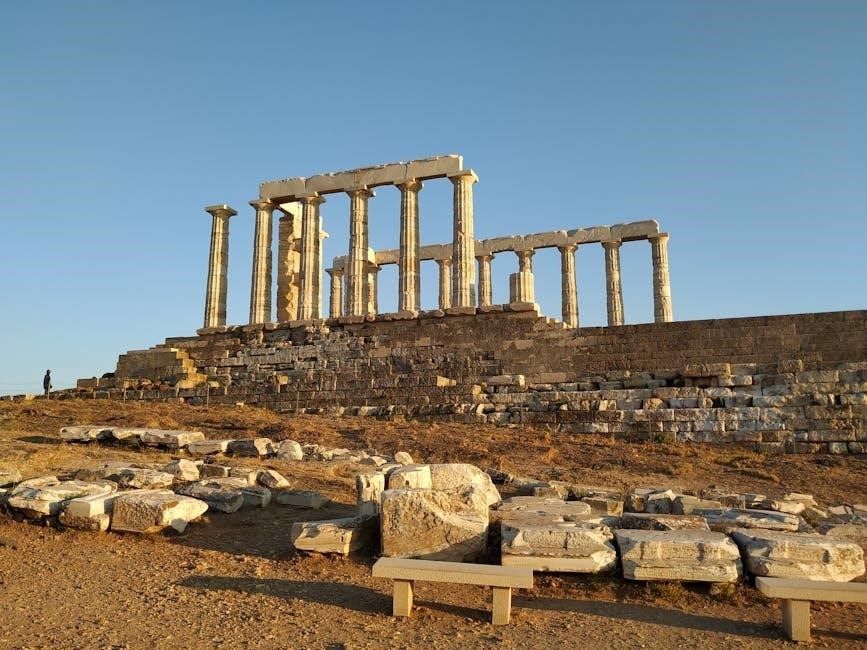
Artifact extraction requires patience and precision. Once an artifact is located, avoid hasty removal – mirroring the caution needed to avoid online subscription traps (documented 2020-2026). Use brushes and small tools to carefully expose the object, noting its orientation and relationship to surrounding features. Photograph the artifact in situ before any disturbance. Gently lift the artifact, supporting its weight to prevent breakage.
Handle fragile items with extreme care, potentially using dental tools or similar implements. Immediately place the artifact in a labeled container, padded with soft material. Record its precise location (grid coordinates, depth) and a preliminary description. Resist the urge to clean the artifact at the dig site; this should be done in a controlled environment. Remember, even seemingly insignificant fragments can provide valuable insights. Treat every find as a piece of the past, deserving respect and careful handling.
VI. Artifact Identification
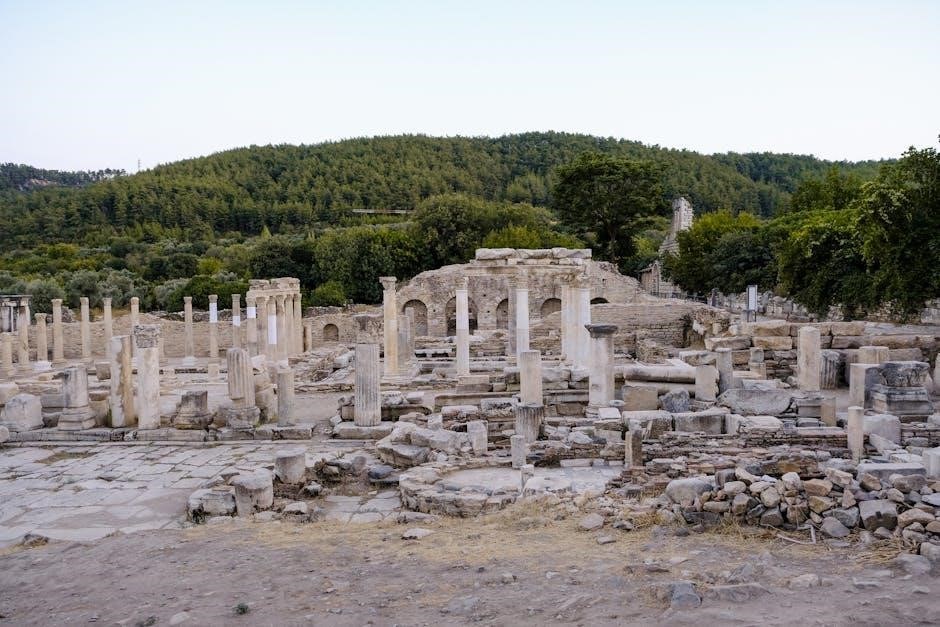
Determining an artifact’s purpose and age is crucial. Common finds include pre-Cataclysm tools, weapons, containers, and personal items. Initial identification relies on visual characteristics – material, shape, decoration. Cross-reference with existing databases (if available) or pre-Cataclysm knowledge. Be wary of misleading appearances; an object’s function may not be obvious. Consider the context of the find – its location within the dig site and associated artifacts.
Basic dating methods include stratigraphy (artifacts found deeper are generally older) and material analysis. For example, plastic items are post-industrial revolution. Beware of scams and false information, mirroring online issues reported from 2020-2026. Document all observations and tentative identifications. Consult with other survivors possessing relevant expertise. Accurate identification unlocks the story of the past.
VI.a. Common Artifact Types
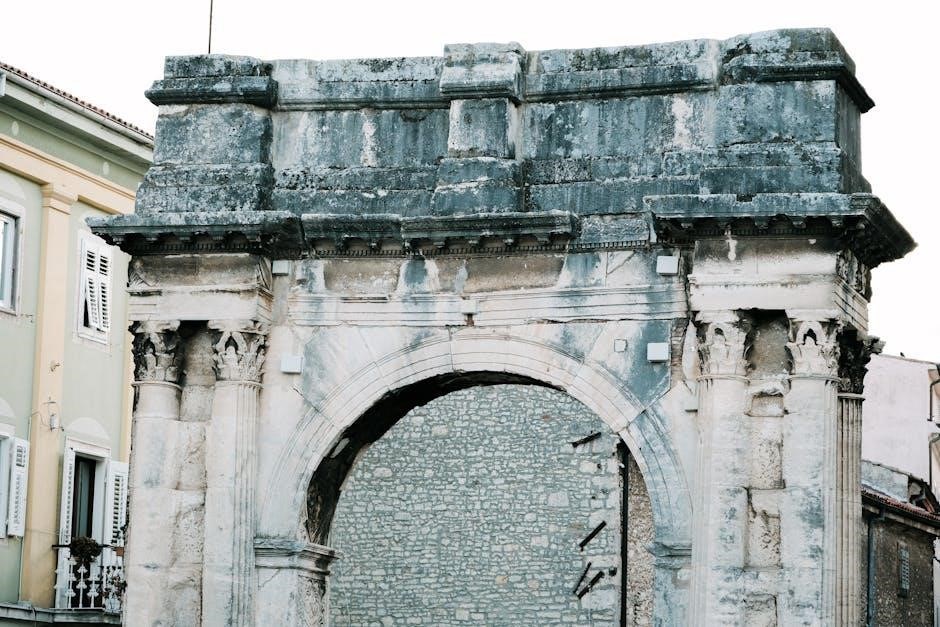
Pre-Cataclysm remnants fall into several categories. Tools – hand tools, power tools (often non-functional), and agricultural implements. Weapons – firearms (ammunition scarce), melee weapons, and protective gear. Containers – metal cans, plastic bottles, glass jars, often containing decayed contents. Personal Items – clothing, jewelry, photographs, and data storage devices (potentially corrupted). Household Goods – furniture fragments, kitchenware, and decorative objects.
Be alert for seemingly innocuous items that may hold value – pre-Cataclysm currency, rare collectibles, or components for crafting. Online reports from 2020-2026 highlight scams; similarly, some artifacts may be fakes or worthless. Careful examination is key. Document each find thoroughly, noting material, condition, and any unique features. Prioritize items with potential practical use or historical significance.
VI.b. Dating Artifacts (Basic Methods)
Precise dating is difficult post-Cataclysm, but estimations are possible. Stratigraphy – deeper layers generally represent older periods, though disturbances occur. Material Analysis – plastic composition indicates post-1950s manufacture; metal alloys suggest specific eras. Brand Identification – researching defunct companies can narrow down production dates. Style & Design – recognizing fashion trends or technological advancements provides clues.
Beware of misleading indicators; items can be displaced or reused. The internet’s cautionary tales (2020-2026) of scams emphasize verifying information. Cross-reference findings with known pre-Cataclysm timelines. Consider the context of the digsite – a military base yields different artifacts than a residential area. Document all dating attempts and acknowledge uncertainties; Remember, these are estimations, not definitive proof.
VII. Artifact Condition & Preservation
Post-Cataclysm artifacts suffer extensive damage. Assessing condition is crucial for both value and safe handling. Rust affects metals, weakening structural integrity. Decay impacts organic materials like wood and textiles, making them fragile. Cracking & Fragmentation are common in ceramics and glass. Contamination from environmental hazards (radiation, chemicals) poses risks.
Preservation begins with careful documentation of existing damage. Basic cleaning removes loose debris, but avoid harsh chemicals. Stabilization involves consolidating fragile materials – diluted PVA glue can reinforce flaking surfaces. The internet’s warnings (2020-2026) about scams highlight the importance of careful examination. Prioritize items with historical significance or potential utility. Proper storage in a dry, stable environment is essential for long-term preservation.
VII.a. Assessing Damage & Decay
Initial assessment is paramount. Carefully examine artifacts for structural weaknesses. Corrosion on metal objects indicates rust and potential disintegration. Fungal growth or insect damage signals organic decay. Look for cracks, chips, or breaks in ceramics and glass. Note any discoloration, which could indicate chemical contamination or age. The recent online reports (2020-2026) of fraudulent charges emphasize thorough inspection – don’t assume authenticity!
Document all observed damage with detailed notes and photographs. Estimate the extent of decay – is it superficial or compromising the artifact’s integrity? Consider environmental factors: prolonged exposure to moisture accelerates decay. Prioritize artifacts exhibiting severe damage for immediate stabilization. Remember, even seemingly minor flaws can worsen over time, impacting preservation efforts.
VII.b. Basic Cleaning & Stabilization
Gentle cleaning is crucial. Begin with dry brushing using a soft-bristled brush to remove loose dirt and debris. Avoid water initially, as it can exacerbate decay. For stubborn grime, cautiously use distilled water and a mild, pH-neutral soap – test on an inconspicuous area first! The online scam reports (2020-2026) highlight the importance of careful action; rushing can cause irreversible harm.
Stabilization prevents further deterioration. For fragile items, consolidate with a reversible adhesive like diluted PVA glue. Support cracked objects with acid-free tissue paper or foam padding. Protect metal artifacts from corrosion with a thin coat of Renaissance wax. Document all cleaning and stabilization procedures. Remember, the goal isn’t restoration, but preventing further damage and preserving the artifact’s current state.
VIII. Dealing with Hazards
Archeological sites are rarely safe. Cave-ins are a significant threat, especially in older structures or natural formations. Always assess structural stability before excavating and shore up weak points with timber or supports. The recent online reports (2020-2026) of unexpected charges and installations mirror the potential for hidden dangers – be prepared for the unforeseen!
Dangerous creatures, from mutated wildlife to remnants of pre-cataclysm security systems, may inhabit digsites. Scan for tracks, listen for sounds, and carry appropriate weaponry. Traps, both ancient and improvised, are common. Probe the ground ahead of you and be wary of pressure plates or tripwires. Prioritize safety; a lost artifact isn’t worth a life. Always have a clear escape route planned and communicate your location to others.
VIII.a. Cave-ins & Structural Instability
The risk of collapse is ever-present. Digsites, particularly those involving tunnels or ruins, suffer from structural instability. Loose soil, weakened supports, and the passage of time all contribute to potential cave-ins. Before any excavation, carefully examine the surrounding architecture or geological formations for cracks, crumbling sections, or signs of previous collapses.
Employ shoring techniques – wooden beams, metal supports, or even carefully placed rubble – to reinforce vulnerable areas. Avoid undermining structures; excavate gradually and maintain a safe working distance. Remember the online reports (2020-2026) of unexpected charges; similarly, hidden weaknesses can appear suddenly. Listen for creaking sounds or shifting debris, and be prepared to evacuate immediately if instability is detected. Prioritize safety above all else.
VIII.b. Dangerous Creatures & Traps
Digsites are rarely unoccupied. Expect to encounter mutated creatures, scavenging animals, or even remnants of pre-cataclysm security systems. Caves and ruins often harbor nests, lairs, or territorial beasts. Approach with extreme caution, utilizing ranged weapons or setting up defensive perimeters before entering confined spaces.
Furthermore, be wary of traps! Ancient civilizations and desperate survivors alike employed various methods of defense. Pressure plates, tripwires, and concealed pitfalls are common hazards. The internet reports (2020-2026) highlight unexpected charges and installations – mirroring potential in-game trap activations. Scan the area carefully for irregularities, and probe suspicious tiles before proceeding. Disarming traps requires skill and specialized tools; avoid direct contact whenever possible. Prioritize awareness and preparedness to survive these hidden dangers.
IX. Advanced Archeology Techniques
Beyond simple excavation lies the true depth of archeology. Meticulous cataloging & documentation are crucial. Record each artifact’s precise location, stratum, and associated finds. Detailed notes, sketches, and photographs are essential for accurate analysis. Utilize a robust naming convention and maintain a secure digital archive – data loss is catastrophic.
Researching artifact origins requires cross-referencing with pre-cataclysm databases (if accessible) and comparing findings with other digsites. The internet’s warnings (2020-2026) about unexpected charges and installations highlight the need for thorough verification. Consider material composition, manufacturing techniques, and stylistic elements. Collaboration with other survivors possessing specialized knowledge – historians, engineers, or scientists – can unlock invaluable insights. Remember, understanding the past is key to rebuilding the future.
IX.a. Cataloging & Documentation
Systematic record-keeping is paramount. Each artifact demands a unique identifier – a combination of digsite code, stratum level, and sequential number. Record precise location (coordinates if possible), orientation, and depth. Detailed descriptions are vital: material, dimensions, weight, color, any visible markings or damage.
Photographic documentation is non-negotiable. Capture multiple angles, including close-ups of significant features. Sketches can supplement photos, highlighting details. The internet’s cautionary tales (2020-2026) about unexpected costs emphasize the value of thoroughness – incomplete records are costly. Maintain a secure, redundant backup system. Consider using a digital notebook or salvaged pre-cataclysm tablets. A well-documented find is a preserved piece of history.
IX.b. Researching Artifact Origins
Context is king. Identifying an artifact’s origin requires cross-referencing with pre-Cataclysm databases – if accessible. Libraries, salvaged data storage, and even fragmented online archives (echoing the 2020-2026 internet reports of lost data) can provide clues. Focus on manufacturer’s marks, serial numbers, and stylistic elements.
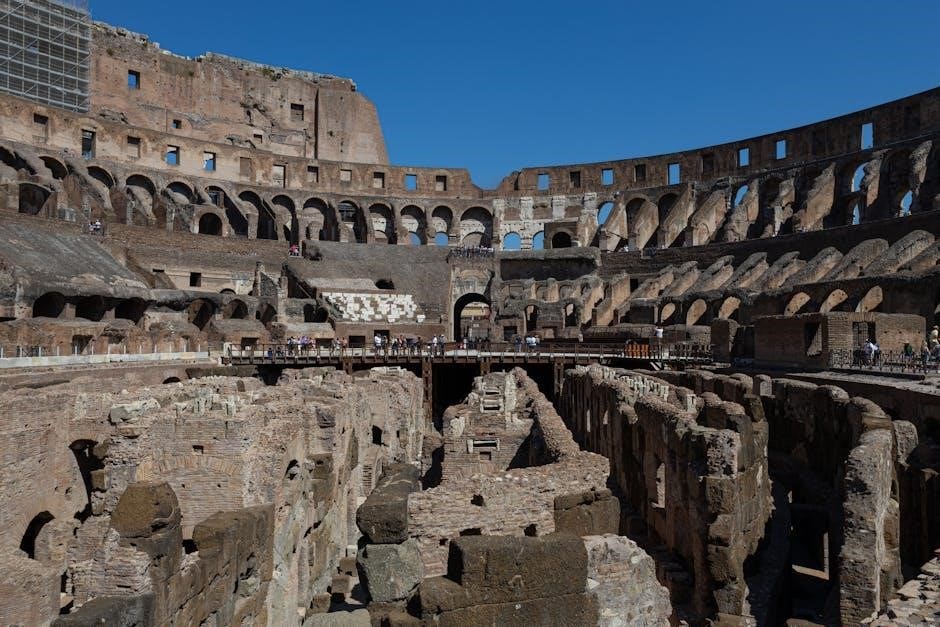
Comparative analysis is crucial. Compare your finds to known artifacts. Consider trade routes, cultural influences, and technological advancements of the pre-Cataclysm era. Beware of forgeries or misidentified items – the internet’s scam warnings highlight the importance of verification. Document all research avenues, even dead ends. Understanding an artifact’s history unlocks valuable insights into the world that was, and potentially, the world that could be again.
X. Selling & Trading Artifacts
Artifacts are currency. Trading posts, settlements, and even individual survivors offer opportunities to exchange your finds for essential supplies. Value depends on rarity, condition, and historical significance. Be wary of unscrupulous traders – mirroring the online scam reports from 2020-2026, inflated prices and false claims are common.
Establish a reputation for honesty and accurate identification. This builds trust and secures better deals. Consider bartering for specific items rather than solely relying on currency. Specialized collectors may offer premiums for unique artifacts. Document all transactions to avoid disputes. Remember, knowledge is power – understanding an artifact’s worth protects you from exploitation.
XI. Archeology and Base Building
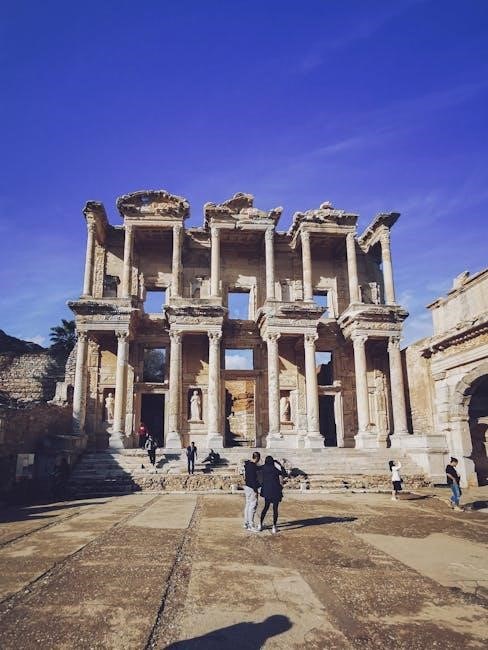
Ruins are resources. Archeological digs aren’t just about artifacts; they reveal structural components for base construction. Collapsed buildings yield bricks, concrete, and metal – valuable materials in a shattered world. Careful excavation minimizes damage, maximizing salvageable resources. Prioritize sites near your base to reduce transportation risks, echoing the need for secure online access reported since 2020.
Fortify with history. Incorporate salvaged architecture into your defenses. Ancient walls provide natural barriers, and reinforced foundations offer stability. Be mindful of potential structural weaknesses – age and decay can compromise integrity. Utilize recovered knowledge (blueprints, schematics) to replicate lost technologies. A well-defended base, built on the foundations of the past, is a testament to resilience.
XII. Notable Digsites & Loot
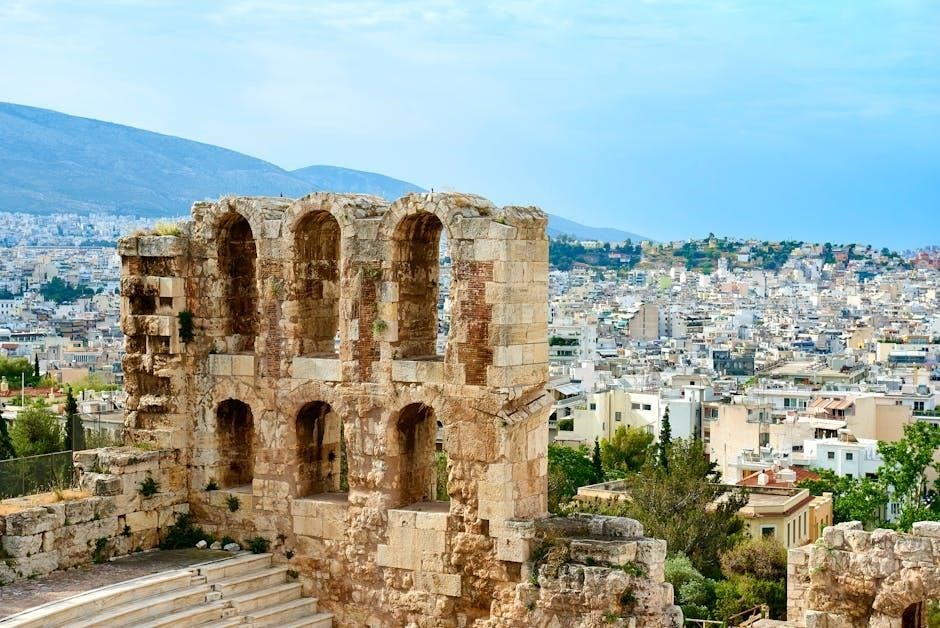
The Pre-Cataclysm World Awaits. Abandoned military bases frequently contain weapon schematics, ammunition, and protective gear – though often guarded by automated defenses or feral ghouls. University ruins yield scientific texts, medical supplies, and crafting recipes. Beware of lingering experimental hazards, mirroring the online risks of accidental subscriptions reported from 2020-2026.
Urban Centers Hold Secrets. Libraries offer invaluable knowledge, while museums house rare artifacts and pre-cataclysm art. Shopping malls, surprisingly, can contain durable goods and preserved food supplies. However, these locations attract scavengers and mutated creatures. Expect fierce competition and potential traps. Remember, thorough searching and cautious exploration are key to uncovering valuable loot.